1. Walk the grounds
For outdoor spaces, the crew walks fence lines, planters, corners and bushes where needles collect.
Sea Isle City, NJ · Cape May County
How do you get rid of used needles safely in Sea Isle City? Call (877) 812-4220 to talk through sharps collection, disposal containers and a final walk-through to check nothing was missed.
If anyone is in danger, call 911 first. For a suicide crisis, call or text 988.
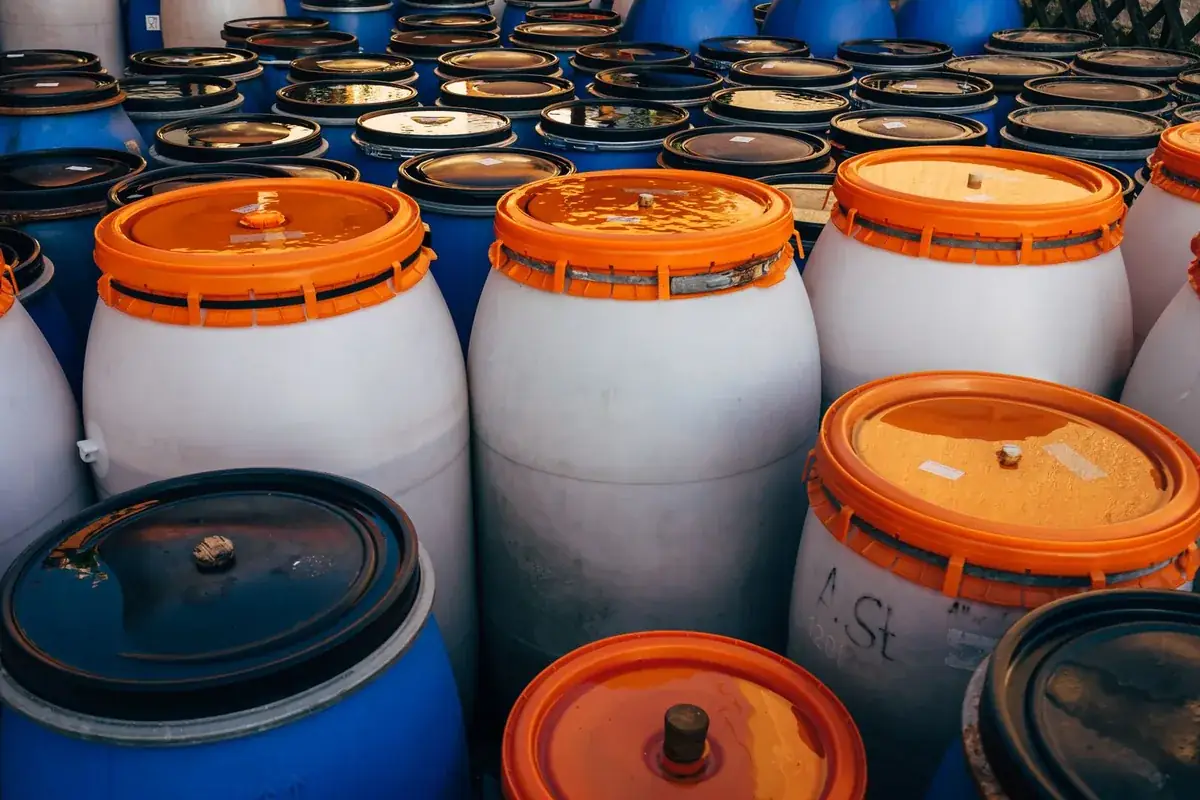
Sharps contamination happens when needles, blades or glass with possible blood on them are left where people can reach them. Cleanup includes collection, disinfecting nearby surfaces and sealed transport.
If your Sea Isle City property has needles, syringes or other sharps, you can call Sea Isle City Biohazard Cleanup Help and get them searched for, collected and disposed of anywhere in Cape May County. Crews wear protective gear and use tools designed to keep hands away from points.
With a vacancy rate near 83% in Sea Isle City, many owners check empty properties for sharps before repairs, sales or new tenants. If anyone is stuck by a needle, the nearest emergency room is Cape Regional Medical Center Inc in Cape May Court House, about 7 miles from Sea Isle City. Call 911 in an emergency.
Needle & Sharps Cleanup in Sea Isle City usually includes:
For outdoor spaces, the crew walks fence lines, planters, corners and bushes where needles collect.
Crews put on protective gear and search the whole area, including corners, drawers and under furniture.
Sharps are locked in secure containers marked for medical waste.
Containers go to a facility that treats medical waste, and the owner can ask for a record of what was found.
The cost of needle & sharps cleanup in Sea Isle City, NJ depends on the amount of material, how it is packed and how it is hauled.
Repeat sweeps cost differently from one-time jobs. A property where needles keep appearing may do better with a schedule.
| Type of job | Typical range |
|---|
These ranges come from published cost guides () and are not a quote for Sea Isle City. Price drivers include number of items, where they are found, whether a sweep of a large area is needed, waste disposal. For a real number, call (877) 812-4220.
Lease terms and local law decide. A landlord, an attorney or a tenant rights group can say who is responsible. In many cases the property owner books the sweep first so the unit can be used again, and the cost is sorted out afterward.
Sometimes. Some homeowners and renters policies cover cleanup after a covered event, and many do not cover needles on their own. Call your insurance company before work starts, take photos from a safe spot, and keep every receipt. Check your policy rather than assuming.
No. Do not search for them yourself. Tell the team what you have seen and where, and the crew will check the rest of the space in protective gear. Searching by hand is how many sticks happen.
They can be tucked into couch cushions, mattress seams, drawers, vents and ceiling tiles. That is why a sharps sweep covers more than the floor. Crews check hidden spots with tools and light before declaring a room clear.
Loose needles should not go in household trash, because they can stab sanitation workers. Rules for small amounts of household sharps vary by city and county. The local health department can say what is allowed, and a cleanup team can take larger amounts.
A local biohazard cleanup team can search the area and remove needles and other sharps. Some cities and health departments also help with found needles on public land. For a single needle outdoors, the health department is a good first call, and for anything bigger, a cleanup team.
Describe what you saw and where, and the team will explain the next step.
Call (877) 812-4220